

What was compulsory for you at fourteen?
At forty-seven, there is no bell telling us when to wake, move, eat or rest. What was once compulsory in childhood is now something we have to choose for ourselves. Maybe the problem isn’t that we lack discipline—it’s that the rhythms that once supported us are no longer built into our lives. What if we stopped blaming ourselves and started asking: what was actually good for me then, and how can I bring some of it back now?

You've got something on your shorts!
When it comes to your health, don’t minimize what you’re experiencing. Write down what is happening, how long it has been happening, how it is affecting your life, and what you want help with. Say the whole thing—plainly and early—so your real concerns have a chance to be heard.

You Don’t Need a New Plan
You don’t need to start again. You need to resume.
The problem isn’t always that you lack discipline. Sometimes the plan simply has too many moving parts and nothing underneath them to support you when life gets difficult.
Instead of creating another ambitious plan, return to the smallest version of the habit that still counts. Let it become boring, consistent and effortless before you add anything more.
And if you abandoned something before, you’re not starting from zero. You’re starting with everything you learned about why it fell apart.
That still counts.

In defence of my blueberries.
You don’t need a perfect week to keep building a healthy habit.
There will always be a camp, a wedding, a family emergency, a work crisis, or simply a week when you’re running on fumes. The goal isn’t to avoid those weeks—it’s to have a plan that still works when they arrive.
Decide your floor before you need it.
What is the smallest version of your habit that still counts on your hardest day? Maybe it’s a tin of mackerel and something green. Maybe it’s a 10-minute walk. Maybe it’s five minutes of prayer.
Then tell someone and give them a job: notice when you disappear.
When life knocks you off course, you don’t start again from the beginning. You simply pick up at your floor on the next ordinary day.
A floor and a witness can hold up almost anything you’re trying to build.

A house with good foundations.
Your genes don’t determine the whole story of how you’ll age.
The choices you make in your 40s and 50s are already helping shape the brain you’ll live in at 70 and 80. And the good news is that many of the foods that support long-term brain health may already be part of your kitchen.
Think leafy greens, vegetables, beans, nuts, berries, oily fish, whole grains and olive oil.
But if you choose just one thing this week: eat greens every day.
Efo, ewedu, ugu, spinach, kale—fresh or frozen, it all counts.
Leafy greens support blood vessel health, which matters for your heart and your brain. You don’t need a perfect diet. You need small choices you can keep making.
Decide now what your “minimum” looks like. Even a handful of frozen spinach added to whatever is already cooking counts.
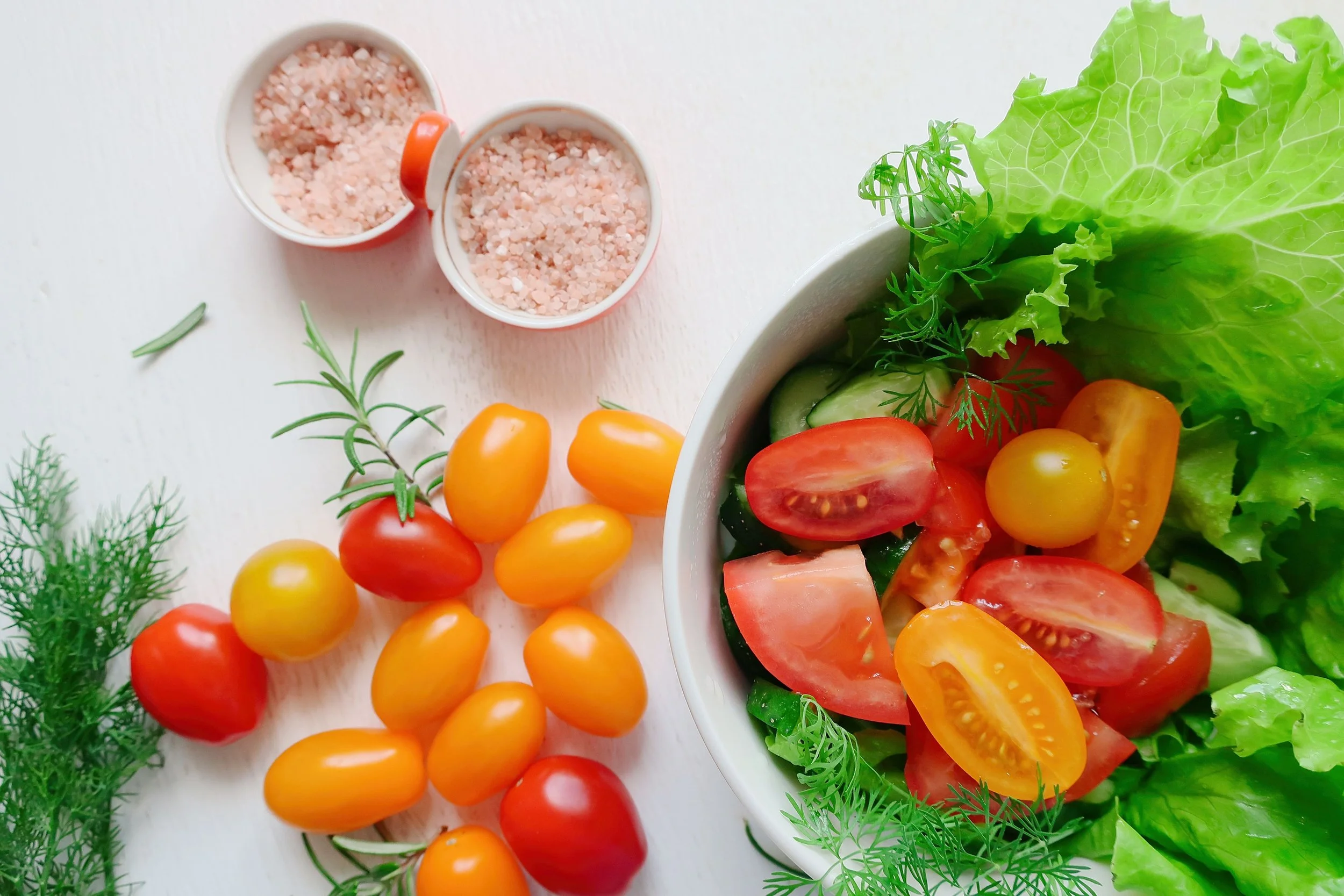
The foods on your side.
Your everyday plate can be one of the most protective tools you own.
When it comes to cancer prevention, the answer isn’t necessarily about restriction or fear. Often, it’s about adding more of the foods that support your body.
Start with one simple action this week: eat a serving of beans or lentils every day.
Chickpeas, lentils, black beans, butter beans, hummus, ewa oloyin—however they fit into your kitchen, they provide fibre and plant protein while supporting steady blood sugar.
Then add colour: spinach, peppers, tomatoes, carrots, aubergine, courgette—whatever is in season.
Nothing to cut this week. Just one pot to cook—or one tin to open.

Your body changed the rules.
Nothing is wrong with your discipline. Your body is simply in a different season.
In midlife, changes in muscle, oestrogen and insulin sensitivity can affect metabolism, fat distribution, cravings and energy in ways that make the old weight-loss strategies stop working.
The answer isn’t necessarily to eat less or rely on more willpower.
It’s about metabolic repair; not punishment.
Start by giving your body what it needs: protein to support muscle, plants and fibre to support blood sugar regulation, and resistance exercise to maintain strength.
Your body isn’t a misbehaving machine. It’s a body adapting to a new season and it needs provision, not punishment.

Two are better than one.
You don’t have to carry life alone.
Strong relationships aren’t a luxury; they’re part of our health. Research shows that meaningful social connection supports our physical and emotional wellbeing, while isolation can affect the body as well as the mind.
But if you’ve spent years being the strong one, letting people in can feel uncomfortable.
You don’t need to rebuild your entire social life. Start with one act of honesty with one person this week.
Let someone see the unpolished version of you.
It may feel like a risk but it’s one worth taking.
Two are better than one. A cord of three strands is not quickly broken.

The Table
You can have people around you and still feel unseen.
Many midlife women have plenty of contacts, conversations, and commitments—but very little genuine connection. Being surrounded isn’t the same as being known.
Your body was not designed to carry life alone. Neither was your spirit.
Rebuilding connection can start small: have one honest conversation, find a space where you’re known by name rather than by role, initiate the invitation, and give yourself permission to need people too.
Start small. Start honest. Start this week.
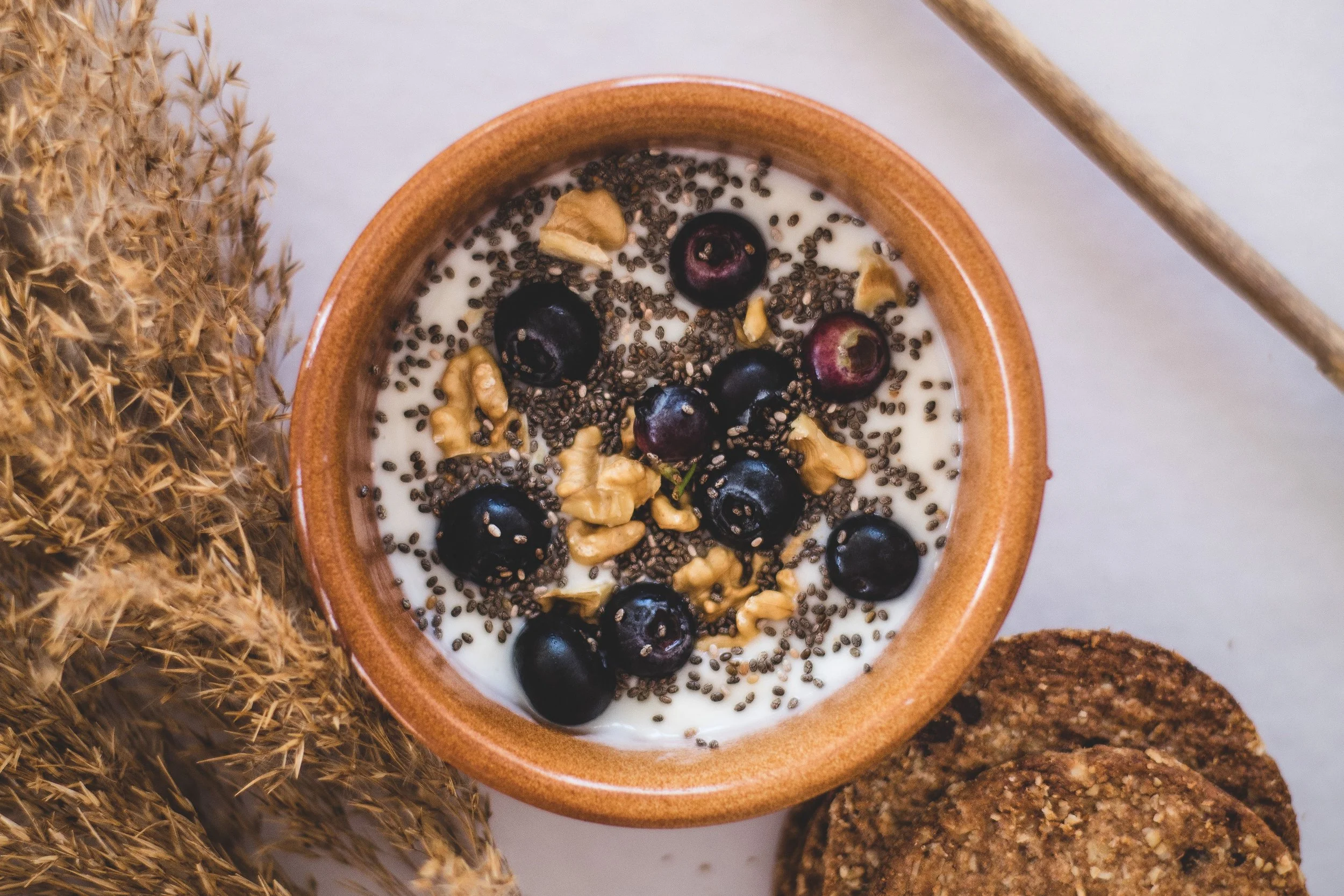
The freezer that feeds you all week.
Eating for your gut doesn't have to mean cooking from scratch every night. This week, I'm sharing the simple batch-cooking and summer salad strategies that help nourish your microbiome even on your busiest days.
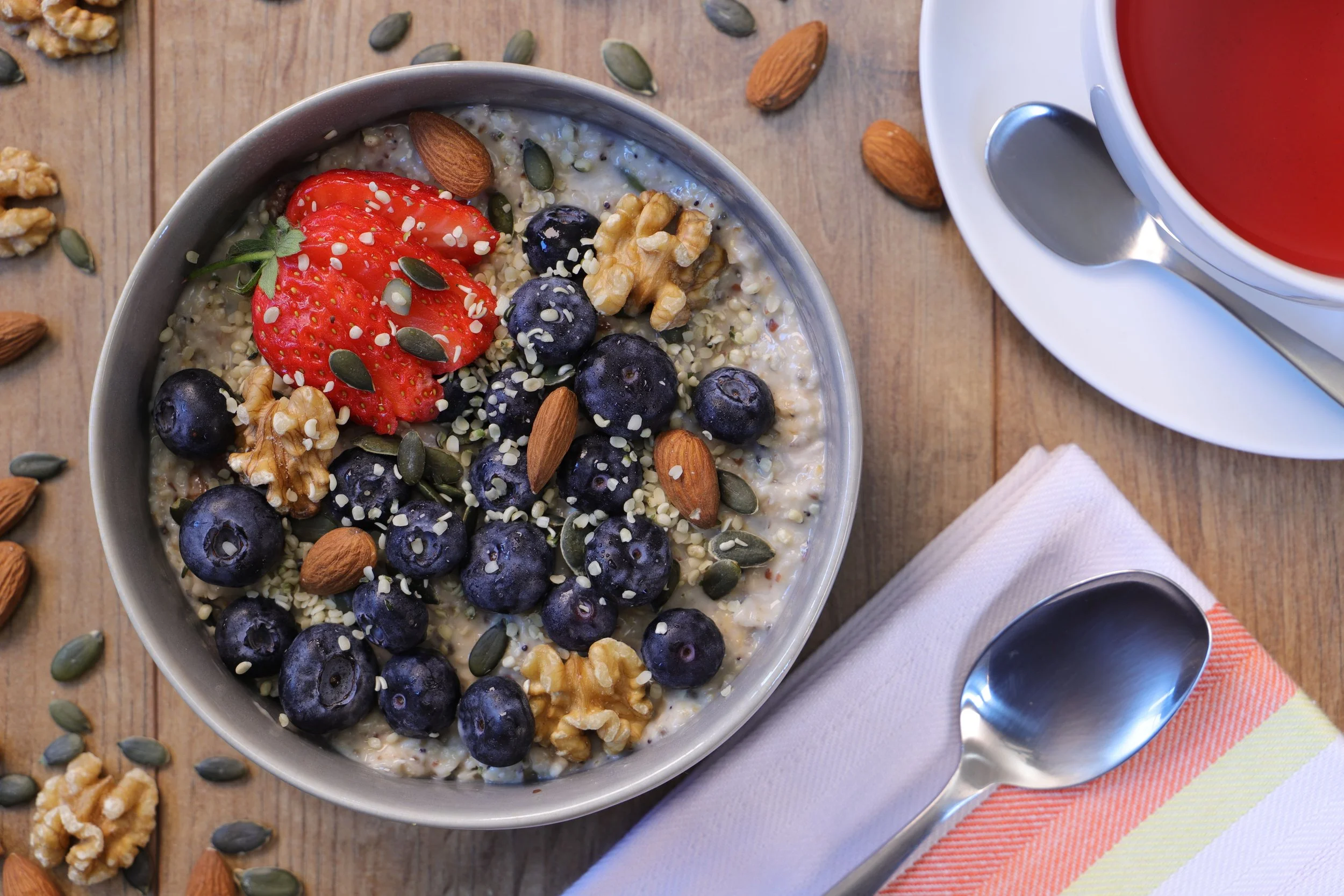
The factory floor
What if your bloating, low mood, poor sleep, and anxiety aren't separate problems? This week, I explore the powerful connection between your gut microbiome, hormones, and brain and four simple ways to start supporting your health.

For such a time as this..
What if your career, your challenges, and even your detours weren't interruptions but preparation? A reflection on purpose, calling, and why it may be your time to flourish.

What is this all for?
Five years ago, despite having a thriving career, healthy habits, a strong faith, and a full life, I found myself asking a question I couldn't ignore: Is this it?
What I've learned since is that midlife isn't simply about maintaining your health—it's about rediscovering your purpose. When the brain fog lifts and the busyness quiets, many women find themselves face-to-face with dreams, desires, and callings they've put on hold for years.
That restless feeling isn't a sign of dissatisfaction. It may be a sign that something within you is waking up. Perhaps this season isn't about decline at all—perhaps it's about choosing, with greater clarity and intention, what you're building the second half of your life toward.
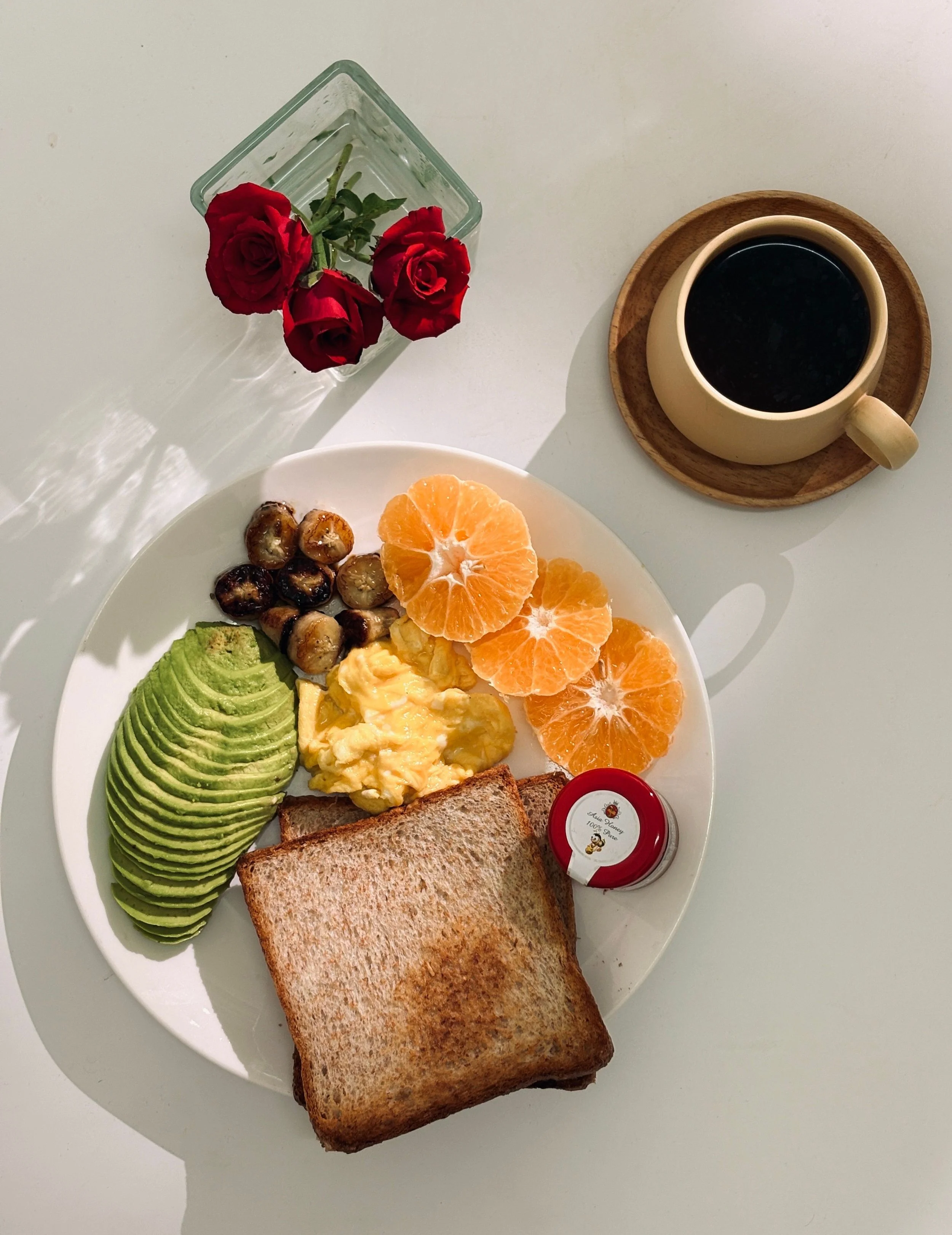
But what if I don't eat breakfast?
If intermittent fasting works for you, there's no need to abandon it. The key question isn't when you eat—it's whether you're giving your body what it needs when you do.
Fasting doesn't typically cause the blood sugar crashes associated with a high-carbohydrate breakfast. But if you're eating only one or two meals a day, each meal needs to work harder. Protein becomes even more important, alongside vegetables, healthy fats, fibre, and key nutrients that support muscle, bone, hormone, and brain health.
The real question isn't "Is fasting bad?" It's "Am I nourishing my body well enough during my eating window?" A few thoughtful adjustments may be all that's needed to help you thrive.
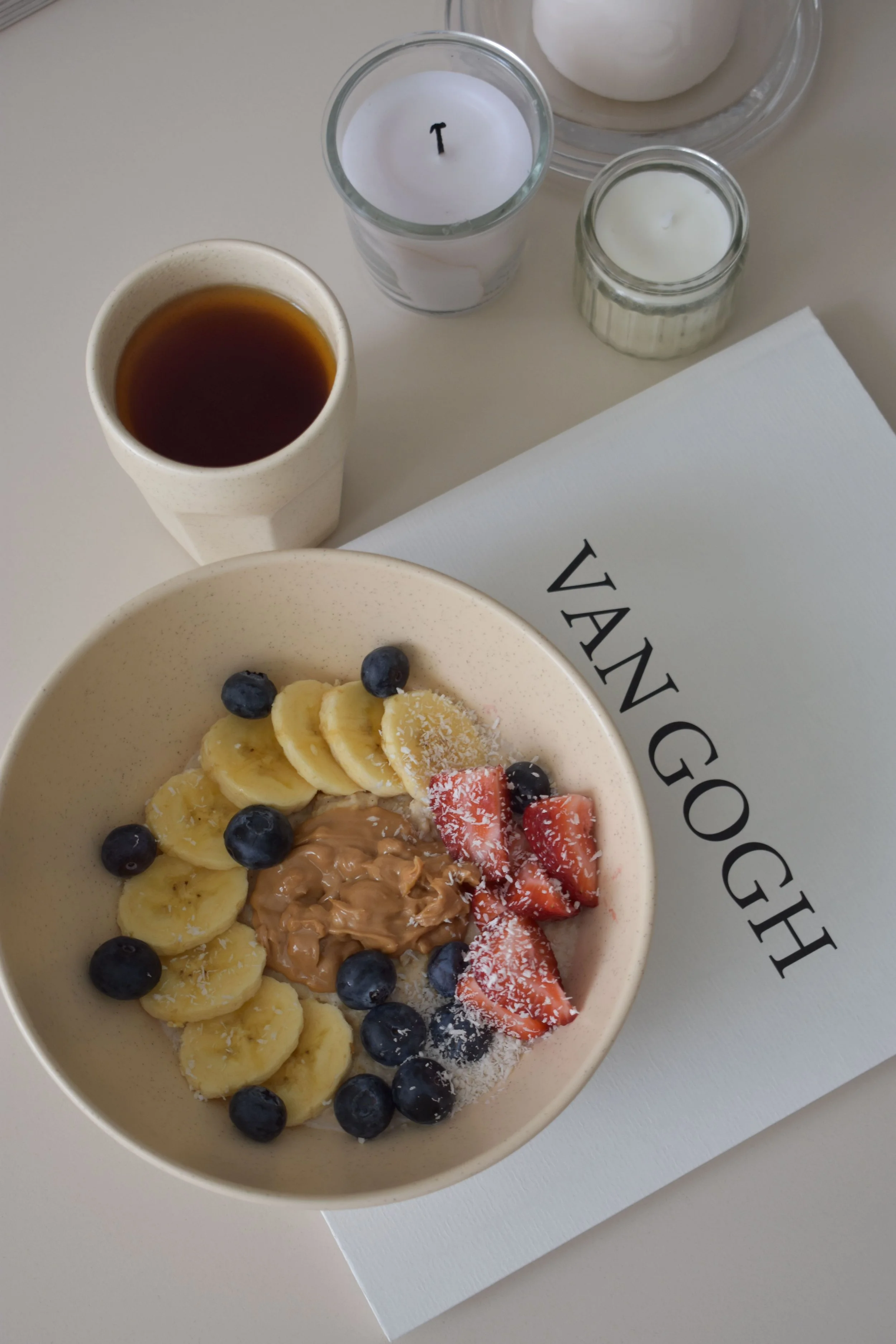
Not another overly sweet protein bar?!!
Last week I encouraged you to aim for 30g of protein at breakfast. This week, we're making it practical.
Most common breakfasts are surprisingly low in protein, leaving you hungry, foggy, and reaching for snacks by mid-morning. The good news? Hitting 30g is easier than you think.
From eggs and smoked fish to Greek yoghurt, moin moin, nuts, beans, or even leftovers from dinner, small adjustments can make a big difference to your energy, concentration, and blood sugar stability.
Before you eat tomorrow morning, ask yourself one simple question: Where's the protein? Your brain will thank you by 10am.
The Morning Anchor
The most powerful brain fog intervention might not be a supplement or a prescription—it might be how you start your morning.
The "morning anchor" is simple: wake up at the same time, get 10 minutes of natural light, and eat a protein-rich breakfast. Together, these three habits support your circadian rhythm, stabilise blood sugar, improve sleep quality, and help restore mental clarity.
More than a productivity hack, it's a daily act of grounding—physically, mentally, and spiritually. Small, consistent steps that help you begin the day anchored rather than reactive.
What your brain is actually asking for?
A practical guide to beating brain fog: the science is encouraging, and most solutions are simpler than you might think. From movement and sleep to nutrition, stress management, and gut health, small consistent changes can have a powerful impact on memory, focus, and mental clarity.
The key takeaway? You are not losing your capability—you may simply be under-resourced. Start with one small habit, build from there, and give your brain the support it needs to thrive through midlife and beyond.

It's not JUST your hormones...
Last time I wrote about brain fog and what it actually feels like when you’re someone who’s used to being sharp. If you missed it: it’s real, it’s common, and it’s not dementia.
But the more useful question is this—what’s actually driving it?
In practice, you might get a quick acknowledgment and a suggestion like HRT or “give it time.” But through a functional medicine lens, I’m asking something more specific: what combination of factors is creating your version of brain fog?
Common drivers include oestrogen fluctuation, sleep disruption, chronic stress, thyroid dysfunction, nutrient deficiencies (B12, vitamin D, iron, magnesium, omega-3s), blood sugar instability, chronic inflammation, and gut health.
They don’t act in isolation. They interact—sleep affects inflammation, stress affects sleep, gut health influences hormones, and so the cycle continues.
The key shift is this: it’s not “do you have brain fog?” but “which threads in your system are pulling most strongly?”
Most of these are modifiable. You don’t have to accept fog as your new baseline.

I owe you an honest “Hello”!
I’ve been away from your inbox longer than I intended. I had to pause and question what I was building and whether it was truly mine, or something I’d been trying to fit myself into.
Sometimes you only realise a path isn’t yours by walking far enough down it.
So here I am. Still a GP, still in lifestyle and functional medicine, still a coach and still, before all of it, a woman of faith who believes you were never designed to live on empty in your forties and fifties, wondering if this is all there is.
You and I both know the woman I’m speaking about. She’s exhausted in a way sleep doesn’t fix, carrying a body that feels different than it used to, and quietly asking herself if there is more to her life than this stretch of survival.
If this no longer feels aligned for you, I understand completely.
But if you’re still here, stay. I’ll be writing the things I wish someone had told me earlier, grounded in medicine, faith, and lived experience.

What’s that word again?!
I’m an avid reader and a writer who prides herself on a quite decent command of the English language. So imagine my frustration: deep in conversation with a close friend, struggling to find the precise word to convey my thoughts. That nuanced noun or apt adjective evades me, dangling just out of reach at the wispy edges of my cognition until I just give up and use the next best but totally unsatisfactory turn of phrase. Super frustrating!! (The word came the next morning: it was "validation"! 😏
Now that's annoying enough over coffee. But when it starts happening in board meetings and team huddles, in the middle of giving a lecture or a patient consultation, that's when it stops being funny. Losing your thread mid-sentence, buying time with "sorry, where was I?", over-preparing for presentations you'd have winged two years ago. You quietly start to wonder if something is seriously wrong. This isn't just about forgetting where you put your keys or looking for the phone that's right in your hand. (Of course that hasn't happened to me! 🤦🏾♀️)